
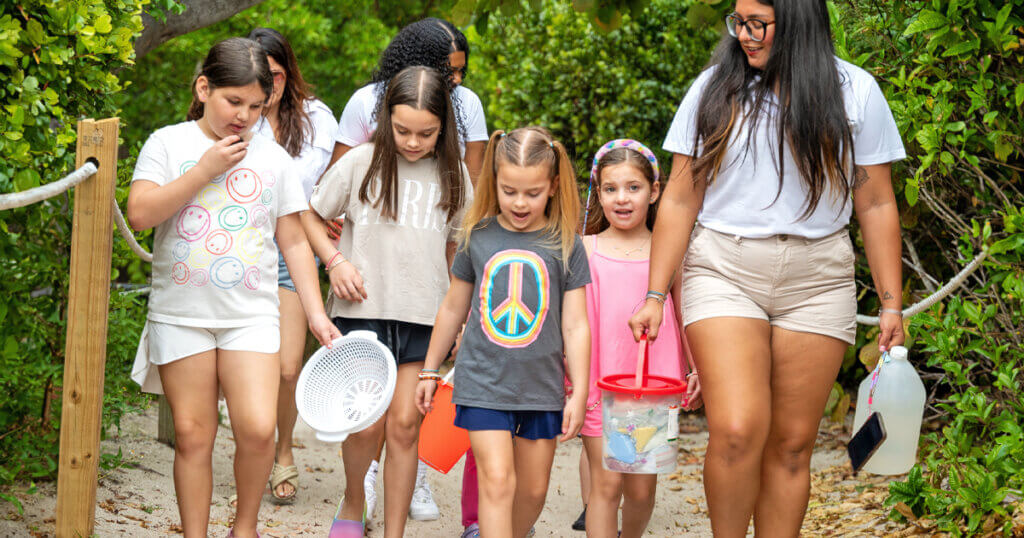
For children, travel is already a form of discovery.
A new hotel room becomes a place to explore. A walk through an unfamiliar neighborhood introduces new colors, sounds and people. Even the simplest moments, from counting suitcases to finding seashells on the beach, can become opportunities to learn.
That is part of what makes thoughtful childcare while traveling so valuable. At itavi, care is about more than supervision. It is about creating experiences that help children feel engaged, curious and included in the journey.
And often, the best learning happens through something children already know how to do instinctively: play.
Why Learning Games Matter in Early Childhood
Children learn by experimenting with the world around them.
That is why learning games can be particularly powerful during early childhood. Rather than separating learning from play, games allow children to practice important skills while remaining actively engaged.
Research into game-based early learning has found benefits across areas including memory, spatial reasoning, attention and cognitive flexibility. Puzzle games can encourage spatial thinking, memory games can strengthen concentration and language-based play can support executive-function skills.
For parents, the takeaway does not have to be complicated: learning does not always need to look like a lesson.
A scavenger hunt through a hotel garden, matching objects by color or inventing a story together can all encourage children to observe, remember, imagine and solve problems.
The experience feels like play to them. That is exactly the point.
How Math and Reading Can Become Play
Academic skills can also become more engaging when children encounter them through games and everyday experiences.
Research suggests that math games for kids can help reinforce concepts by turning abstract ideas into something children can interact with. Counting steps, sorting objects by size or identifying shapes in a new environment are simple examples that can become part of a day naturally.
The same principle applies to literacy.
Formal reading programs for kids have been shown to support measurable improvements in reading development. But literacy can also happen through smaller moments throughout the day.
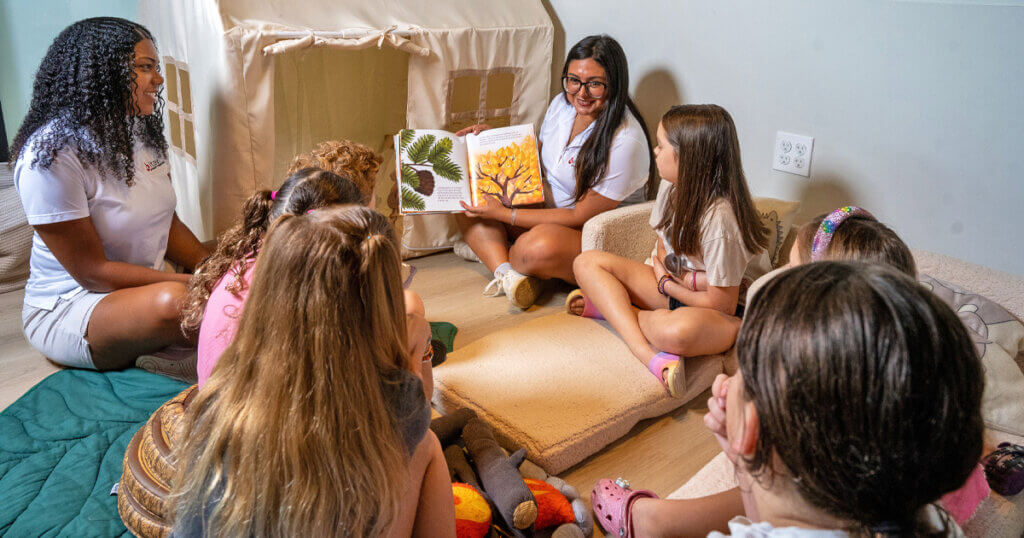
Children might read signs together on a walk, invent a story about something they discovered or play reading games for kids that involve matching words, sounds or pictures.
The goal is not to recreate the classroom while a family is traveling. It is to keep curiosity alive.
Educational Toys, Worksheets and Digital Play: Finding the Balance
There is no single format children need in order to learn well.
Different experiences encourage different kinds of development.
Educational toys can invite tactile exploration, creativity and spatial reasoning. Worksheets for kids can offer focused practice with skills such as handwriting, drawing and pattern recognition. Digital learning games can introduce interactive challenges and immediate feedback.
But variety matters.
Children benefit from moving between activities, especially when those activities allow them to use different parts of their imagination and different ways of engaging with the world.
A puzzle at the table might be followed by a movement game outside. A drawing activity might inspire a story. A digital game might lead to finding the same shapes or colors in the real environment around them.
The most meaningful experiences often connect learning to life.
Turning Travel Into an Early Learning Experience
Travel naturally gives families opportunities that do not exist at home.
Children encounter new foods, architecture, landscapes, languages and traditions. Instead of treating travel as an interruption to early learning, families can use the destination itself as inspiration.
Simple preschool activities might include:
- Counting suitcases, seashells or steps
- Searching for particular colors or shapes
- Drawing something discovered during the day
- Looking at a map together before an outing
- Learning the name of a local animal, plant or landmark
- Creating a story inspired by the destination
The best activities for preschoolers do not necessarily require elaborate materials. Often, they begin with something interesting already happening around them.
“What do you notice?”
“What do you think happens next?”
“How many can you find?”
A child’s curiosity can do the rest.
Childcare That Becomes Part of the Travel Experience
This philosophy is central to the way itavi approaches hotel childcare.
Families are often traveling because they want to experience somewhere new together. Childcare should complement that experience rather than feel disconnected from it.
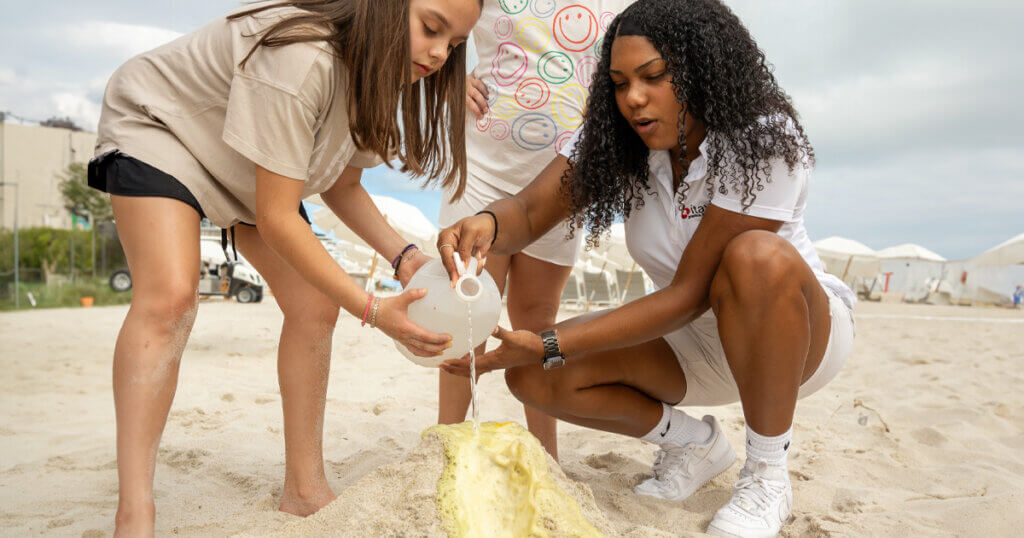
An itavi Childcare Professional can bring age-appropriate activities, creative play and destination-inspired experiences into the time they spend with a child. Depending on the setting and the child, that might include crafts, imaginative play, movement, games or activities inspired by the surrounding culture.
Parents gain time to enjoy dinner, attend an event, visit the spa or simply spend a few hours together.
Children get an experience designed for them.
That balance is at the heart of family hospitality.
How itavi Works at Hotels and Resorts
itavi is designed to make trusted childcare feel like a seamless part of a family’s hotel experience.
Parents request care through itavi’s booking platform and are matched with a fully vetted, CPR-certified itavi Childcare Professional.
The professional arrives at the hotel prepared to create an age-appropriate experience for the child, including creative play and thoughtfully selected activities.
For families, the process is designed to feel simple.
For hotel partners, it offers a way to extend hospitality beyond the traditional guest experience and better serve parents traveling with children.
Learning Through Play at Miami Hotels
Destinations such as Miami offer particularly rich opportunities for children to learn through their surroundings.
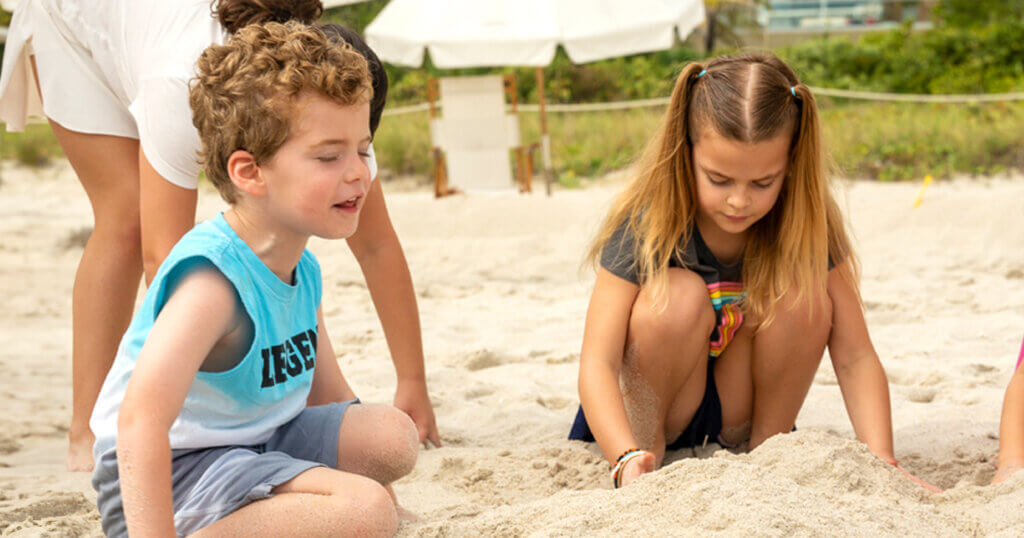
At Fontainebleau Miami Beach, itavi programming blends play, movement, learning and creativity while drawing inspiration from the destination itself.
A beachside environment might inspire art, scavenger hunts or activities connected to nature and local culture.
Elsewhere in Miami, family programming also reflects this idea. Acqualina’s AcquaMarine program incorporates marine education for children, while the SoBe Kids Club at Loews Miami Beach has offered educational experiences in partnership with institutions including the Miami Children’s Museum and Frost Museum of Science.
These experiences demonstrate something important: luxury family travel does not have to ask parents to choose between adult experiences and meaningful experiences for their children.
Both can coexist.
Trusted Childcare at Hotel del Coronado and in San Diego
The same philosophy extends to San Diego.
At Hotel del Coronado, itavi provides childcare that can include educational activities, physical play, arts and crafts and experiences inspired by the destination.
The hotel also offers children’s programming through its Ocean Explorers Kids Club, with activities influenced by the surrounding coastal environment.
For children, this means time away from parents can still feel connected to where the family has traveled.
Instead of simply passing the time, they can experience something memorable of their own.
Family Hospitality in Wailea and Maui
Maui is another destination where family experiences have become an increasingly meaningful part of luxury hospitality.
Grand Wailea, A Waldorf Astoria Resort partners with itavi to offer professional childcare, including in-room care. The resort has also developed children’s programming through the Grand Wailea Keiki Club.
itavi has also partnered with luxury hospitality properties in Maui, including Four Seasons Resort Maui at Wailea.
These relationships reflect a broader shift within hospitality.
Families increasingly expect hotels to think about the experience of every member of the family, including children.
Exceptional family hospitality is not simply about providing amenities for kids. It is about considering how children experience a destination and creating thoughtful services around them.
Premium Childcare Is More Than Babysitting
Traditional babysitting often begins with a simple need: someone trustworthy to watch the children.
Premium hotel childcare begins with that same essential requirement, but extends further.
A thoughtfully designed service considers safety, vetting, reliability, hospitality and the quality of the child’s experience.
That can mean age-appropriate learning games, creative activities, culturally inspired play and professionals who understand that they are part of a larger hospitality experience.
The distinction matters because families are not simply looking for someone to be present.
They want to feel confident that their children are safe, cared for and genuinely engaged.
What Parents Value Most
When parents use childcare while traveling, peace of mind is naturally one of the most important considerations.
But the experience becomes even more meaningful when children enjoy the time as much as their parents do.
Families often value knowing that their Childcare Professional has been vetted and CPR-certified. They appreciate punctuality and reliability. And they notice when their children become absorbed in an activity, discover something new or ask to play the same game again later.
Those moments transform childcare from a logistical necessity into part of the family travel experience.
Frequently Asked Questions
What makes learning games valuable for young children?
Learning games allow children to practice skills such as memory, problem-solving, language and spatial reasoning through active participation. Because the experience feels playful, children can remain engaged while developing important cognitive skills.
Can children continue early learning while traveling?
Absolutely. Travel can create entirely new opportunities for early learning. New environments invite children to observe, count, compare, ask questions and encounter different cultures, landscapes and experiences.
What are good preschool activities for traveling families?
Simple preschool activities can include scavenger hunts, drawing, storytelling, counting games, map reading, matching colors and identifying shapes in the environment. The best activities often use the destination itself as inspiration.
Do children need worksheets or educational toys while traveling?
Not necessarily, but both can be useful. Compact educational toys can provide familiar, hands-on entertainment, while worksheets for kids can offer quieter moments of drawing, writing or problem-solving. They are most valuable as part of a larger mix of creative, physical and exploratory play.
What makes hotel childcare different from traditional babysitting?
Premium hotel childcare is designed as part of the broader hospitality experience. In addition to professional vetting and safety standards, services such as itavi emphasize thoughtful activities, child engagement and coordination with the needs of traveling families.
Can reading and math still be encouraged while children are on vacation?
Yes, without turning vacation into school. Math games for kids, reading games for kids and destination-inspired activities can reinforce important skills naturally. Families can also continue established reading programs for kids while allowing travel itself to create new opportunities for storytelling, observation and discovery.
A Different Way to Think About Family Travel
Children do not stop learning because they are away from home.
If anything, travel gives them more to discover.
A new place offers new questions to ask, new things to notice and new stories to tell. With the right support, those experiences can become part of a child’s development without ever feeling like a lesson.
That is the opportunity behind thoughtful family hospitality.
Parents get the freedom to experience more of their destination.
Children get an experience of their own.
And the entire family gets to come home having discovered something new.